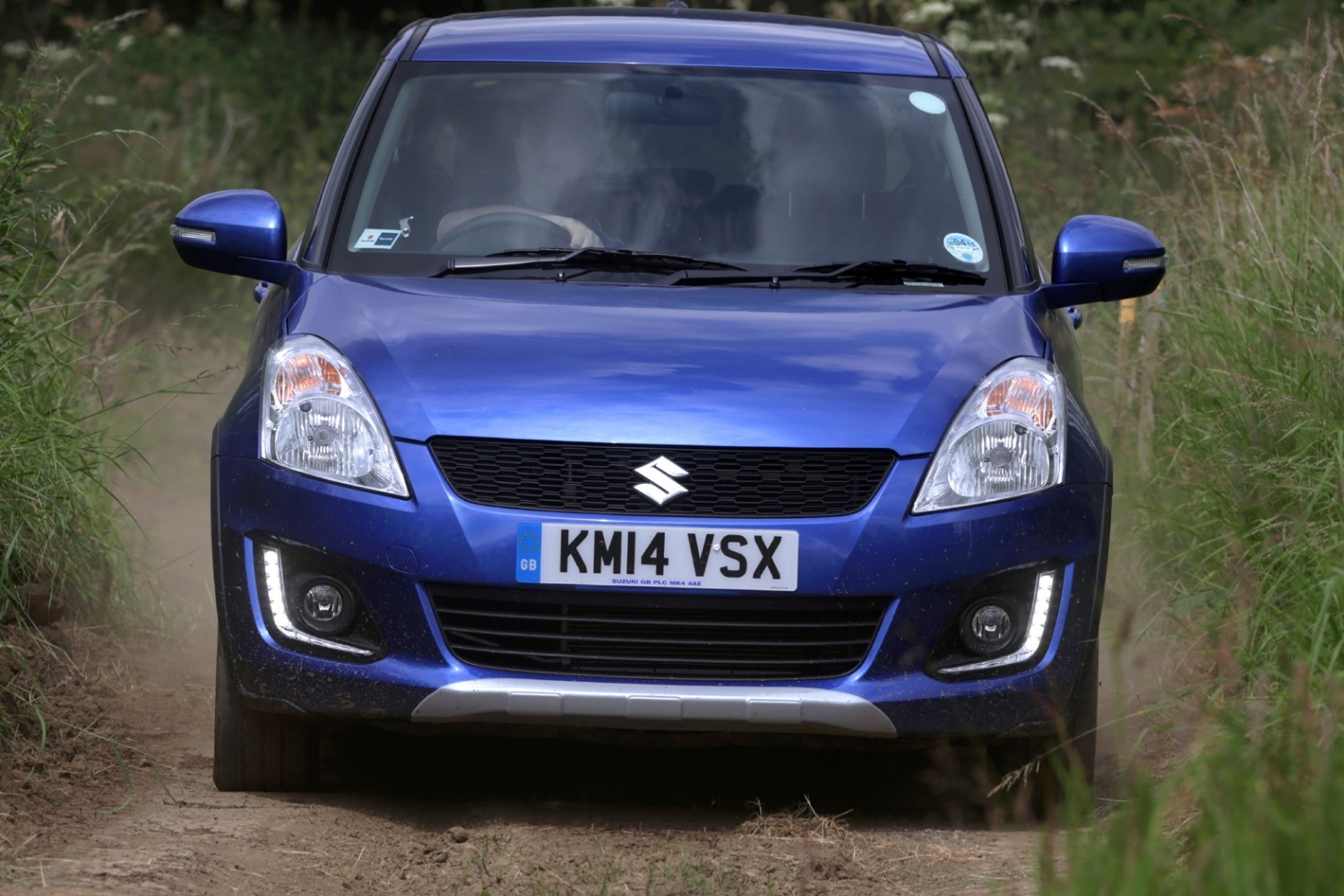
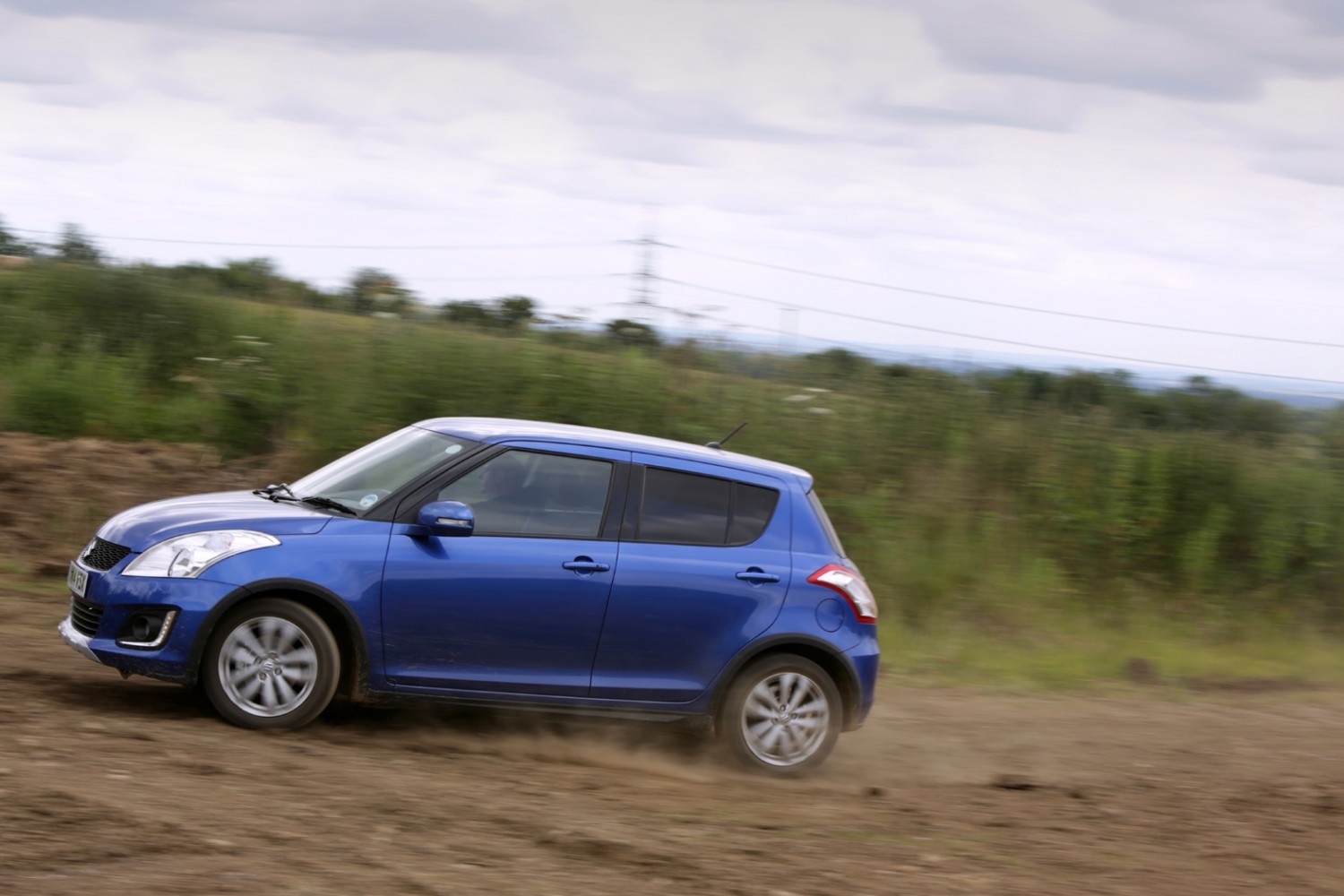
SUZUKI has always been strong on lightweight 4x4s and that enviable reputation is brought up to date with the all-wheel-drive version of the Swift supermini.
And in true Suzuki style, the version I drove was powered by a modest 1.2 petrol engine.
Now you might think that a 4x4 hatch like this with such a small engine might be considered an also-ran, but this is far from the truth because the Euro5 94ps engine is not only very clean in terms of emissions but is one of the most powerful of its type in its market segment.
And when you think that this 1.2 SZ five-door has an on the road price of £13,699 and a combined fuel economy readout of 51.3mpg and the whole package starts to make a lot of sense.
Hardly a full off-roader, the Swift 4x4 comes into its best when off the beaten track on country tracks and in bad weather.
It offers great potential for those who have to get through, people such as district nurses, doctors, vets and the like.
The 4x4 is a proven design and has enjoyed good sales in in Japan, Germany and other countries, including Switzerland.
With just the 1.2 petrol engine and in SZ3 or SZ4 grades, the Swift 4x4 features a simple permanent four-wheel-drive system which transfers additional torque to the rear wheels when required via a viscous coupling.
In normal driving this enhances the already acclaimed cornering capabilities of the Swift and is able to give the car the capability of crossing slippery surfaces in the winter months, without the driver having to fork out for a more expensive SUV.
The viscous coupling used on the Swift is robust and clever. It takes the role of a central differential to connect the driven front and rear wheels.
It is made of two sets of annular metal plates which rotate in a casing containing a silicon type fluid.
In normal operating conditions the plates will rotate at the same rate, but when wheel slippage occurs, the fluid will quickly become highly viscous, heated by the increased friction caused by the different movement between the plates and apportion the drive accordingly.
When the front wheels spin, the centre viscous coupling locks and rapidly transfers more traction to the rear axle.
So does all this extra kit bog the car down in terms of performance. In general no because it is only 65kg lighter than the equivalent two-wheel-drive version.
But because the engine is small and punches above its weight you do have to use the gears a little more than usual on steep hills.