IN 1925 as the Mlada Boleslav-based company Laurin and Klement was celebrating its 30th anniversary and 20 years of automobile production, it joined forces with the Skoda industrial and armaments group.
Under the Skoda brand, the strategic partner introduced assembly line production, and rolled out a new wave of models, and strengthening the brand's position at home and abroad.
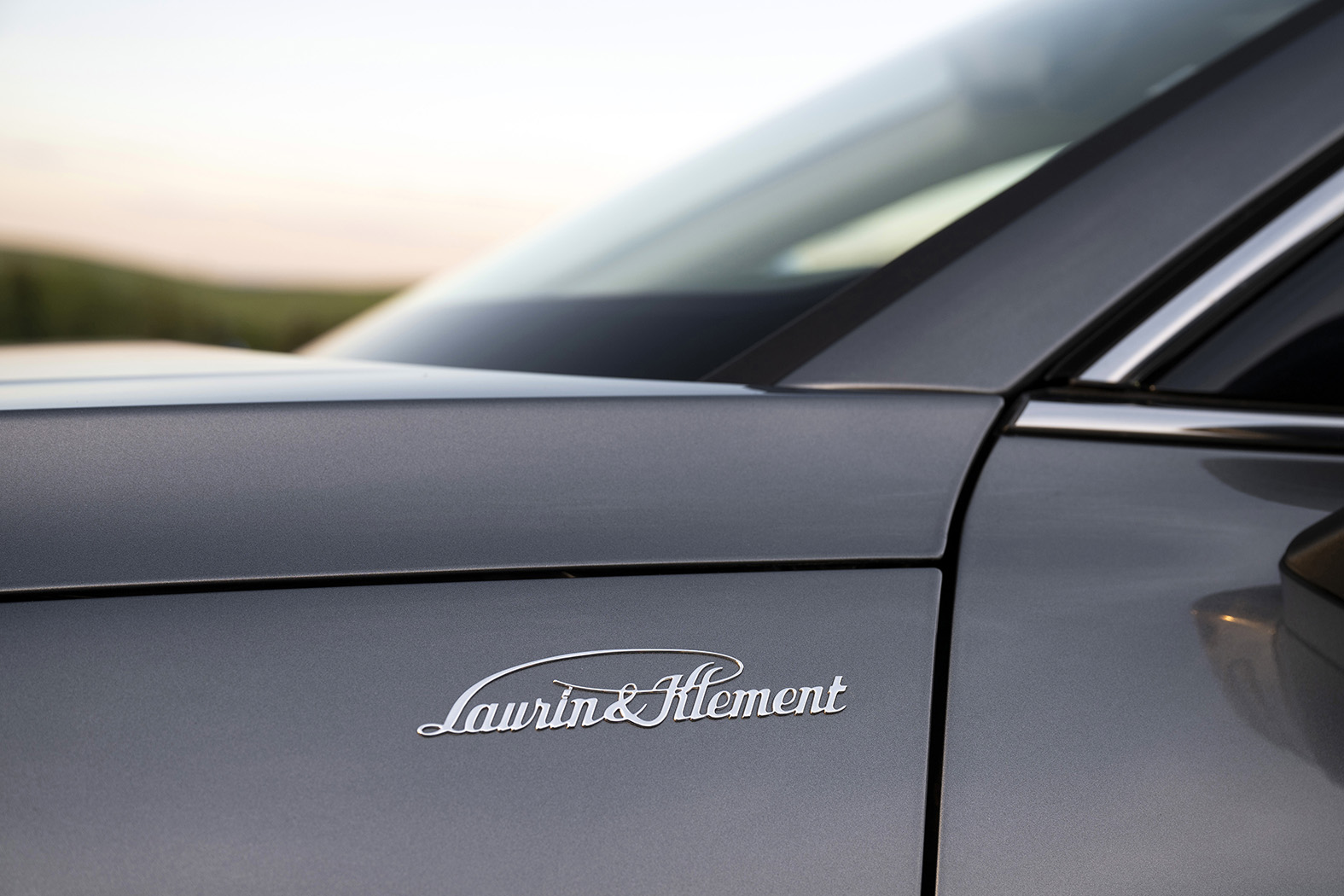
Since 1995, Skoda's top trim levels have borne the Laurin and Klement designation which remains an integral part of the brand's DNA.
The history of the Pilsen-based engineering company dates back to 1859, and ten years later it was acquired by engineer Emil Skoda.
Under his leadership, and carrying his name, the company grew into the largest industrial enterprise in Austria-Hungary and even collaborated with the car maker Laurin and Klement.
In the 1920s, both companies faced economic difficulties in the wake of the First World War and the collapse of traditional markets. In 1924, a devastating fire further damaged the Laurin and Klement factory in Mlada Boleslav. Vaclav Laurin and Vaclav Klement decided to seek a strong strategic partner.
At that time, Laurin and Klement employed 1,125 people, while Skoda Plzen had more than 30,000 employees. However, its automotive output was limited, focusing mainly on the licensed production of British Sentinel steam lorries and Hispano-Suiza luxury cars.
The merger with Skoda Plzen guaranteed the continuation of independent automotive development and production in Mlada Boleslav.
The rights to the legendary brand - including its iconic Art Nouveau logo - remain with Skoda Auto. Customers will find it on Skoda's highest trim levels, a tradition that began in 1995 with the Skoda Felicia Laurin and Klement, featuring leather upholstery, pearl-effect dark blue paintwork, 13-inch retro-style alloy wheels and more.
Key models from the Laurin and Klement era continue to inspire Skoda Auto's designers, while Skoda Motorsport has proudly built on racing successes dating back to 1901.
Also the company's new office complex bears the name Laurin and Klement Kampus.
The numbers tell the story: a century ago, 1,800 employees produced 833 cars.
In 1991, 16,974 Skoda staff built 172,074 cars.
Last year, Skoda, with a global workforce of around 40,000, delivered more than 926,000 vehicles to customers worldwide. This year, students at the Skoda Auto Vocational School modified a Skoda Superb Estate into an escort vehicle for cycling races.