WITH driving test waiting lists still standing at over 20 weeksacross most of the UK, passing your driving test first time has never been so important, or you risk a potentially lengthy wait for the next attempt.
And with new changes to the test introduced from November, it's more vital than ever for student drivers to be better prepared for taking greater responsibility behind the wheel.
However, only 48 per cent of people pass their test first time, according to government statistics- that is, unless they have undertaken pre-17 driver training, new research reveals.
Young Driver, the UK's largest driving school for under 17s, which starts teaching youngsters in full-size cars at just nine years old, has revealed that eight out of 10 of its alumni passed their practical driving test on their first attempt.
Not only were the young learners more likely to pass first time, they were also more likely to pass at a younger age.
The average age of people passing their driving test in the UK has steadily increased over the last two decades.
Analysis of government data by Young Driver has revealed that the age has risen from 22 years and 10 months in 2007, to 25 years and one month in the past year.
But the average age at which Young Driver alumni passed their driving test is 17 years and nine months. Three quarters of the 150 ex-pupils questioned passed before the age of 18.
Now that new changes to the test have been introduced, including students spending longer on faster roads and examiners having the power to ‘increase the length of independent driving', the importance of building confidence behind the wheel from an early age has never been greater.
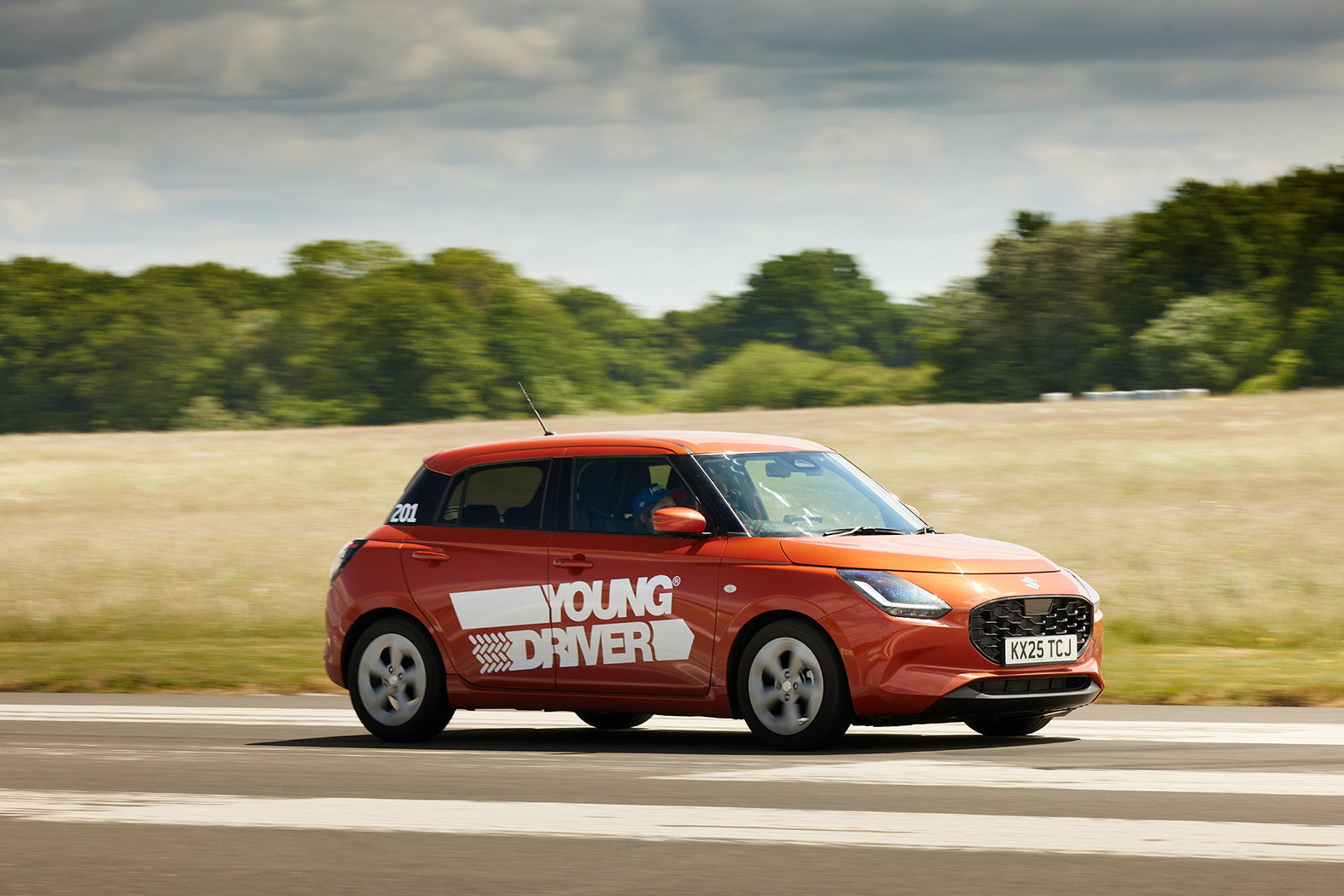
The Young Driver scheme teaches youngsters over 1.4m tall in Suzuki Swifts and similar cars, which have been dual-controlled.
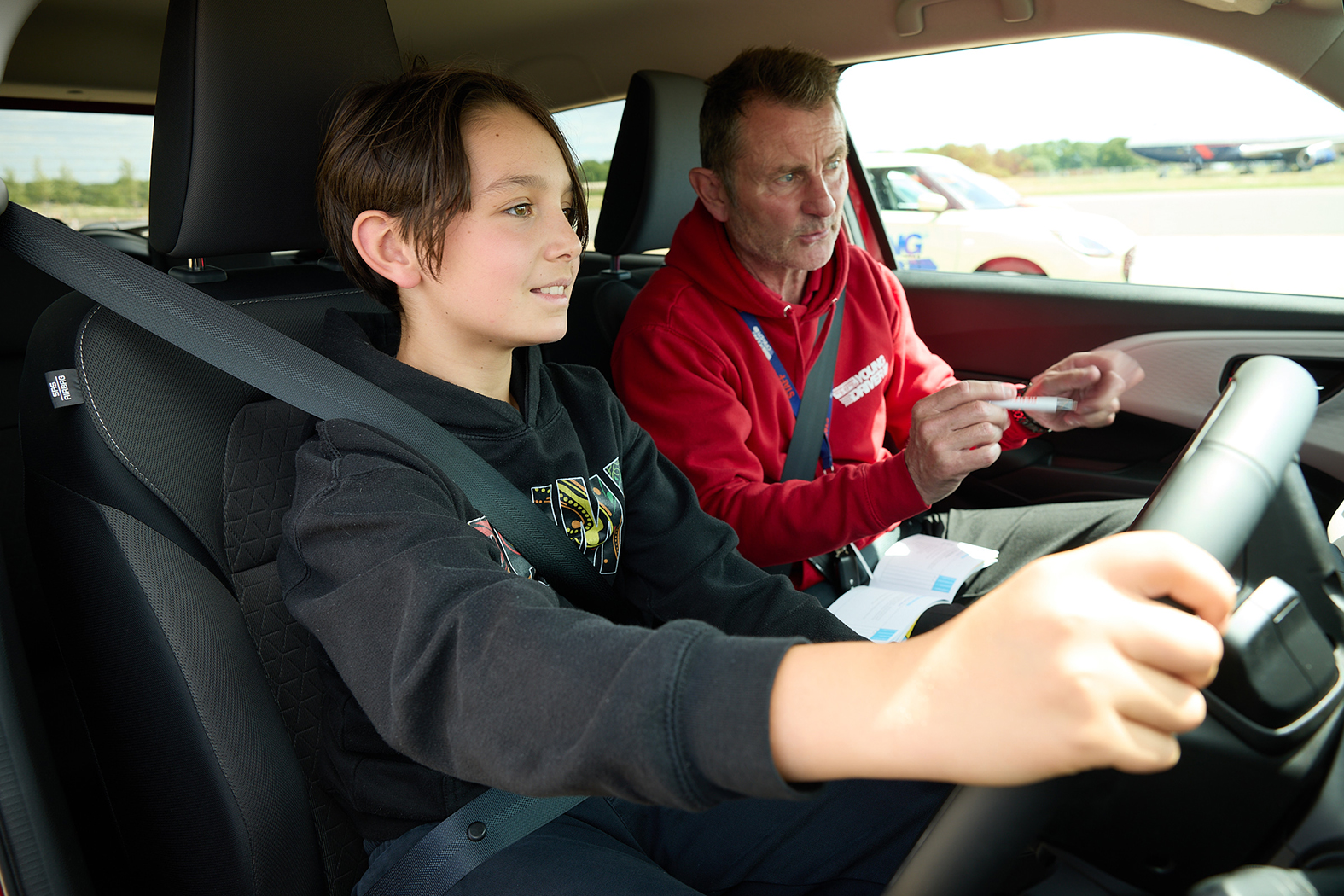
Qualified instructors teach pupils as they would when they reach 17, but on private land. Road systems are created with junctions, roundabouts and places to practice manoeuvres.
The scheme was created to combat the shockingly high accident rate for newly qualified drivers - one in five of whom has an accident within six months of passing their test. For Young Driver past-pupils, this falls to one in 25.
Ian Mulingani, managing director at Young Driver, said: "Driving is a vital skill for most of the UK population, outside of the capital, especially if young people don't want to be limited in terms of employment and education. Research shows that by teaching youngsters over a longer period, taking away that pressure and that rush to pass their test, we can actually create safer drivers. Our pupils are more prepared for their tests and therefore more likely to pass earlier, and first time - and, most importantly, with less accidents once on the road.
"By starting younger, and learning consistently, learners build vital neural pathways which means elements such as gear changes, clutch control and steering become more ‘automatic', so they can focus on the more complex areas of driving such as hazard awareness. Practice really does make perfect. And younger learners are like sponges, soaking up information, and much more likely to take on board safety messages than older teens. Eighty eight per cent of our past pupils think Young Driver helped them pass their test quicker, and 86 per cent think they're a safer driver because of it."







.jpg)