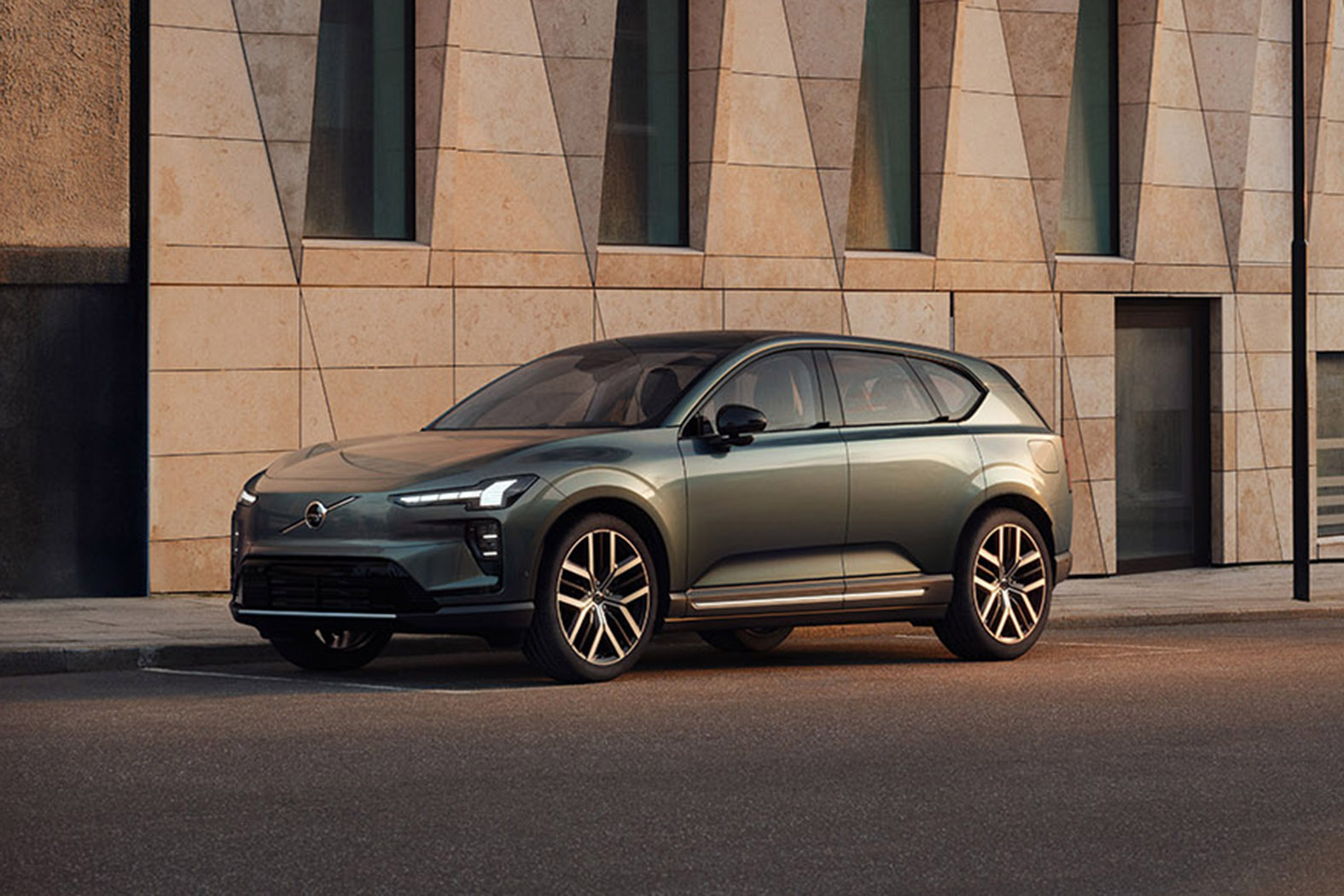
VOLVO is celebrating 70 years of pioneering seatbelt technology this year with the debut of the world-first multi-adaptive seatbelt in the new EX60 model.
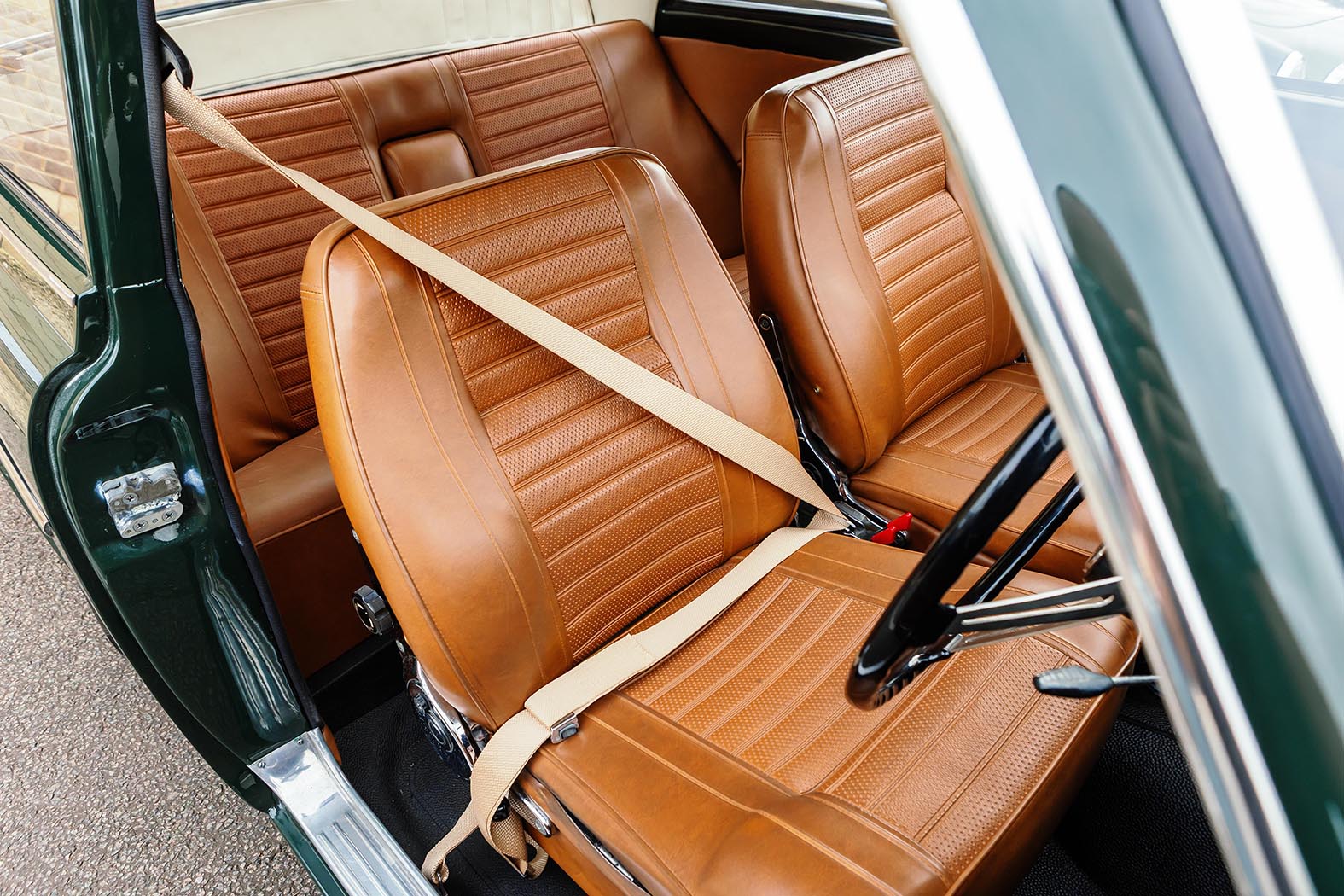
Volvo was one of the first car manufacturers to introduce seatbelts to the European market when it fitted its 1956 Amazon prototype with a two-point cross-chest diagonal belt, which was made available as an option on production models shortly afterwards.
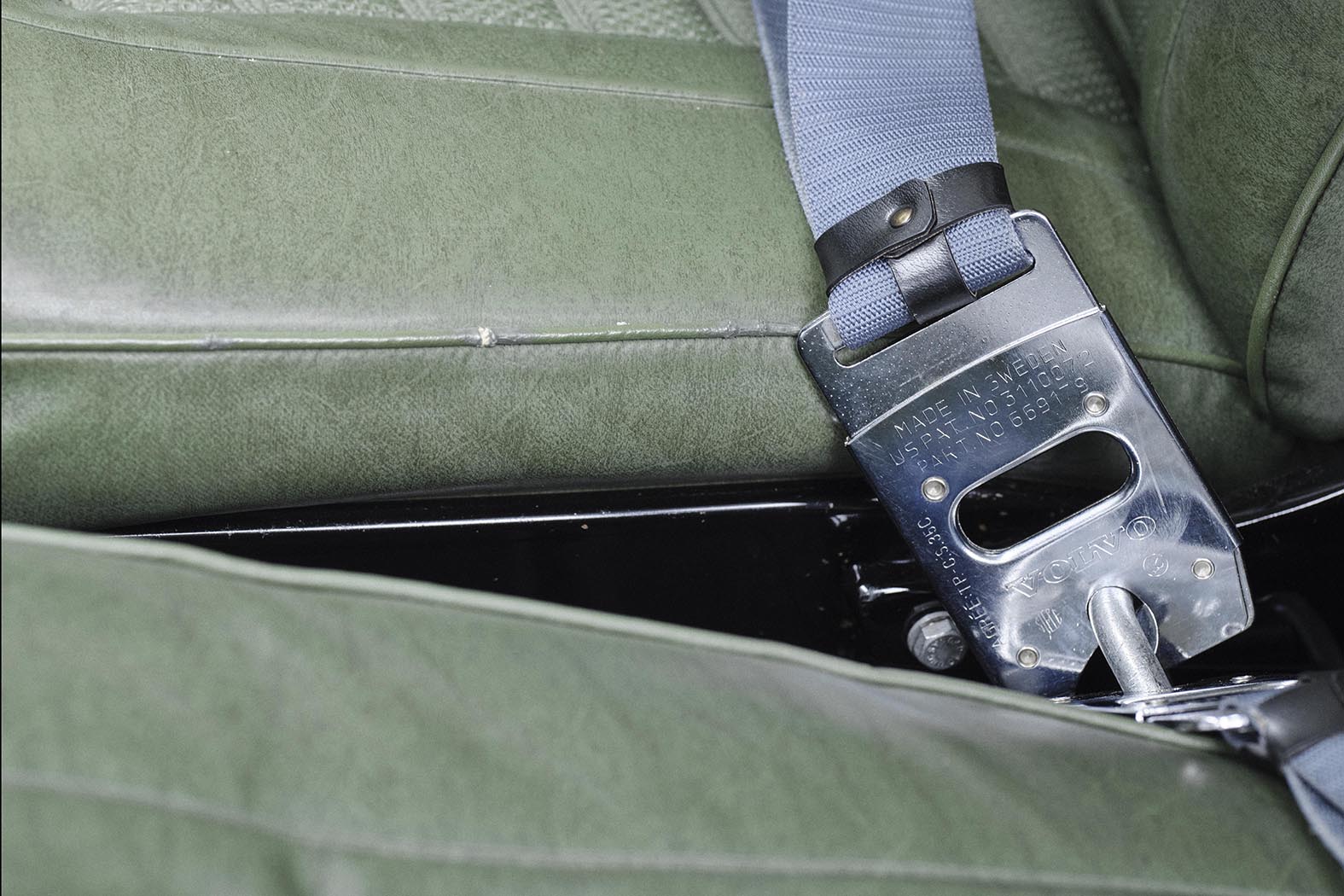
Three years later it became the first brand in the world to fit three-point belts as standard.
Setting the template for the modern safety belt that's fitted to all cars today, it was created by Volvo design engineer Nils Bohlin and consisted of a lap belt and a diagonal belt anchored at a low attachment point beside the seat.
By 1959 the three-point safety belt was installed as standard in all Swedish market Volvo cars, and later in cars across the world as the patent was made available to all car makers free of charge.
As a result, seatbelt availability quickly became widespread and their fitment as a legal requirement was accelerated, helping to save millions of lives across the world.
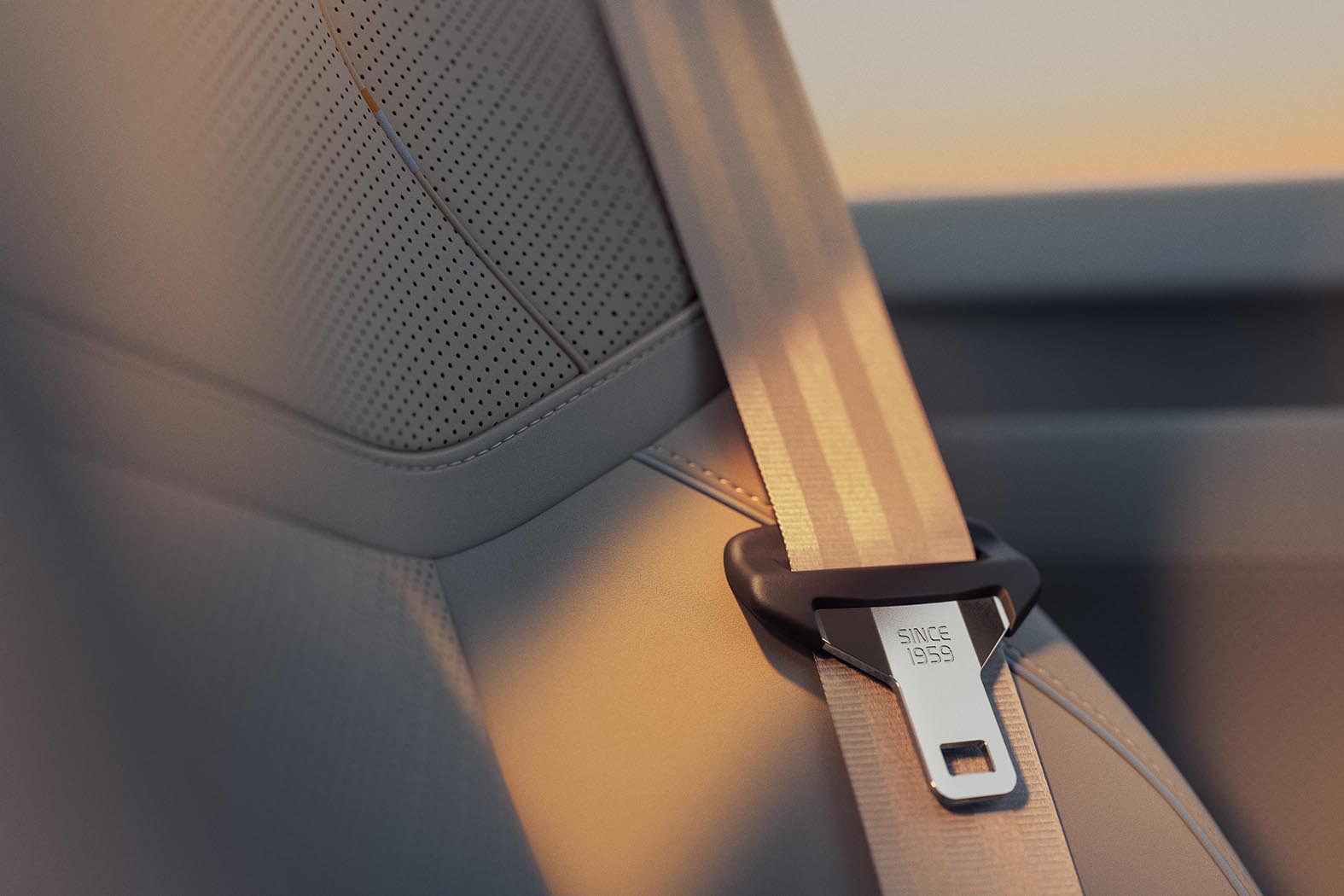
The engineering innovation from Volvo seatbelts 70 years ago still plays a vital role in the design and engineering of modern Volvo models, with the newly launched EX60 mid-size SUV featuring the world's first multi-adaptive safety belt.
This state-of-the-art safety belt uses real-time data input from advanced interior and exterior sensors to customise protection, adapting to the situation and individual occupant, taking into account their height, weight, seating position and crash type.
For example, a larger occupant in a serious crash will receive a higher belt load setting to help reduce the risk of head injury. While a smaller occupant in a milder crash will receive a lower belt load setting to reduce the risk of rib fractures.
As Volvo gathers more insights, the car can improve its understanding of the occupants, new scenarios and response strategies - and thanks to over-the-air software updates, this can be applied to the car, so the technology will continuously improve over time.
This major milestone in automotive safety comes as Volvo prepares to celebrate its centenary in 2027, marking 100 years of the Volvo brand in the UK.