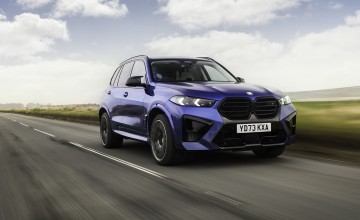
BMW has set a new 2035 milestone for cutting CO2 emissions on the road to net zero.
The company aims to reduce its CO2emissions by at least 60 million metric tons compared to 2019 levels, an additional reduction of approximately 20 million tons of CO2 beyond the existing 2030 target.
In doing so, the BMW Group is pursuing a decarbonization strategy along the entire life cycle, with the goal of achieving net zero by 2050 at the latest.
This represents a firm commitment to the goals set out in the Paris Agreement.
To date, the target has been to cut at least 40 million metric tons of CO2 across the entire life cycle by 2030 compared to 2019 levels.
The new 2035 milestone is the next step toward advancing decarbonization. At the same time, the climate impact of the BMW Group's business model will also be drastically reduced.
By 2035, each euro generated will see less than half as much CO2 emitted compared to 2019.
The measures for achieving these results include the increasing use of renewable energies in production and the supply chain, the increased utilisation of secondary raw materials, efficiency improvements in the use phase, as well as product and process innovations.
The latter are being implemented across all drive variants as part of the BMW Group's technology-neutral approach.
In addition, an increasing proportion of the vehicle fleet will be electrified.
Global customer demand for electric vehicles alone will not be sufficient to achieve the CO2 targets set for 2030 and 2035. The comprehensive approach to reducing emissions therefore spans the entire vehicle life cycle, irrespective of the drive variant.
In the supply chain, which is increasingly relevant in terms of emissions, especially for electric models, the company focuses on expanding the use of secondary raw materials and renewable energies.
The specific priorities are high-emitting components such as high-voltage batteries, aluminium, and steel. In addition, the company will be implementing product and process innovations, such as in the BMW Group's sixth generation of battery technology.
Since 2020, all electricity sourced from external suppliers for all plants worldwide has come exclusively from renewable sources.
The BMW Group also works on replacing fossil fuels. The new iX3 plant in Debrecen, Hungary, is the BMW Group's first car factory to produce vehicles without any fossil fuels such as oil and gas in standard operation.
To lower C02 emissions during the use phase, the BMW Group is implementing additional efficiency measures such as BMW EfficientDynamics,
in addition to electrifying its vehicle fleet. As a result, efficiency potential in all vehicle subsystems, such as the drive system, tires, and aerodynamics, is identified and implemented, regardless of the drive technology.
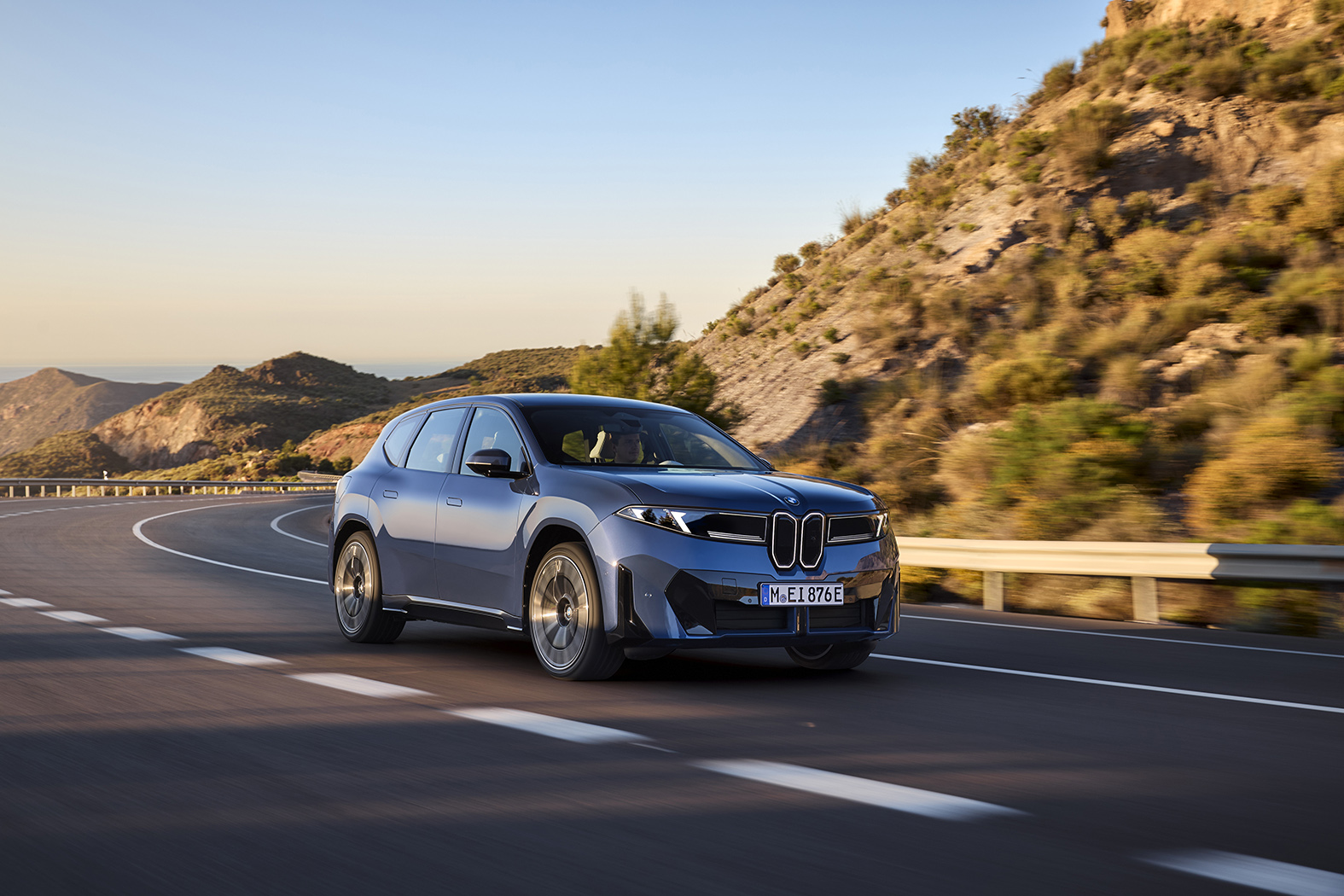
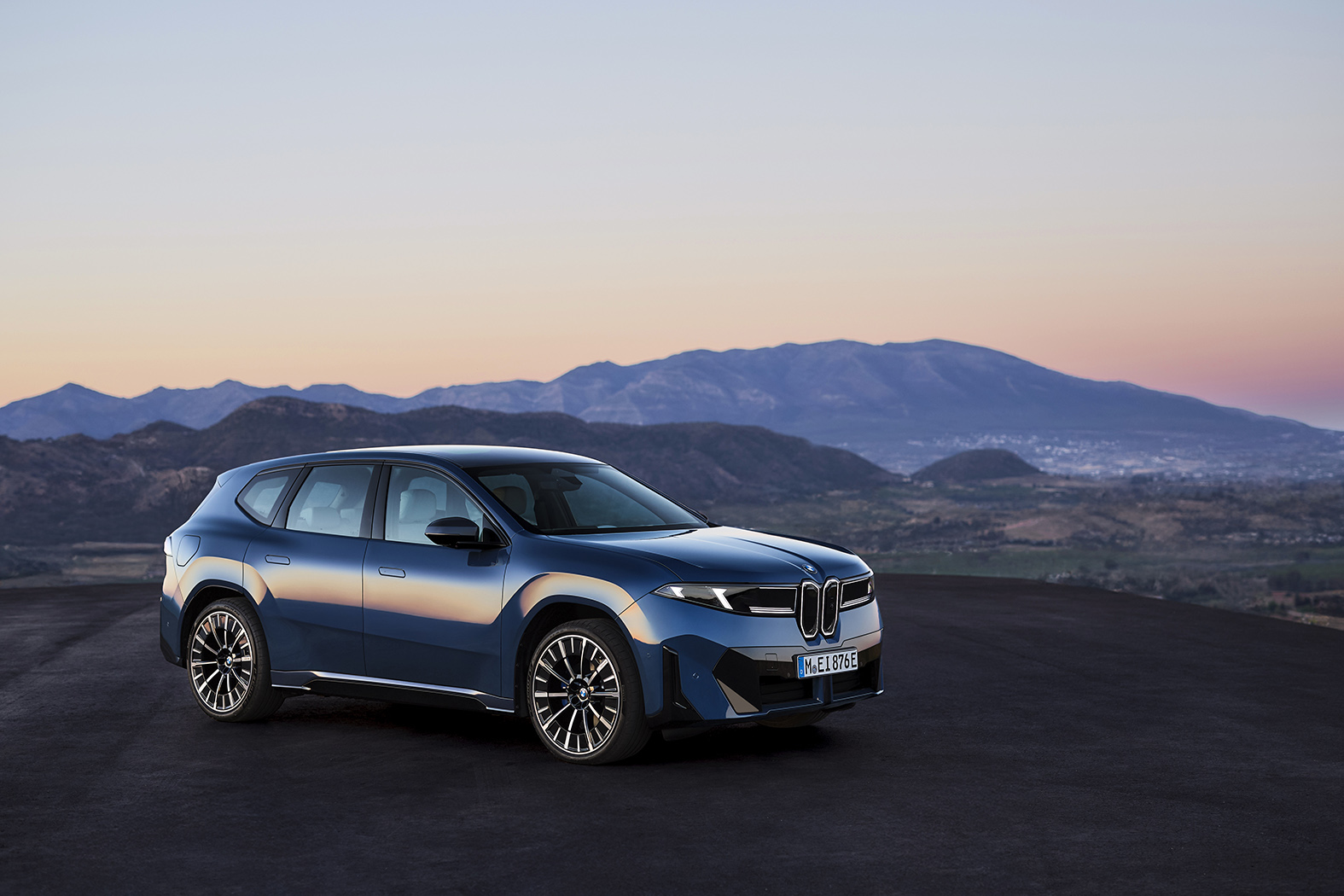
The new BMW iX3, for instance, uses up to 20 per cent less energy than its predecessor.
Reaching the new milestone will also depend on a variety of external factors, such as the transformation of the steel industry in favour of more CO2-reduced steel, the expansion of the charging infrastructure, progress in the circular economy, and the advancement of battery cell technologies.