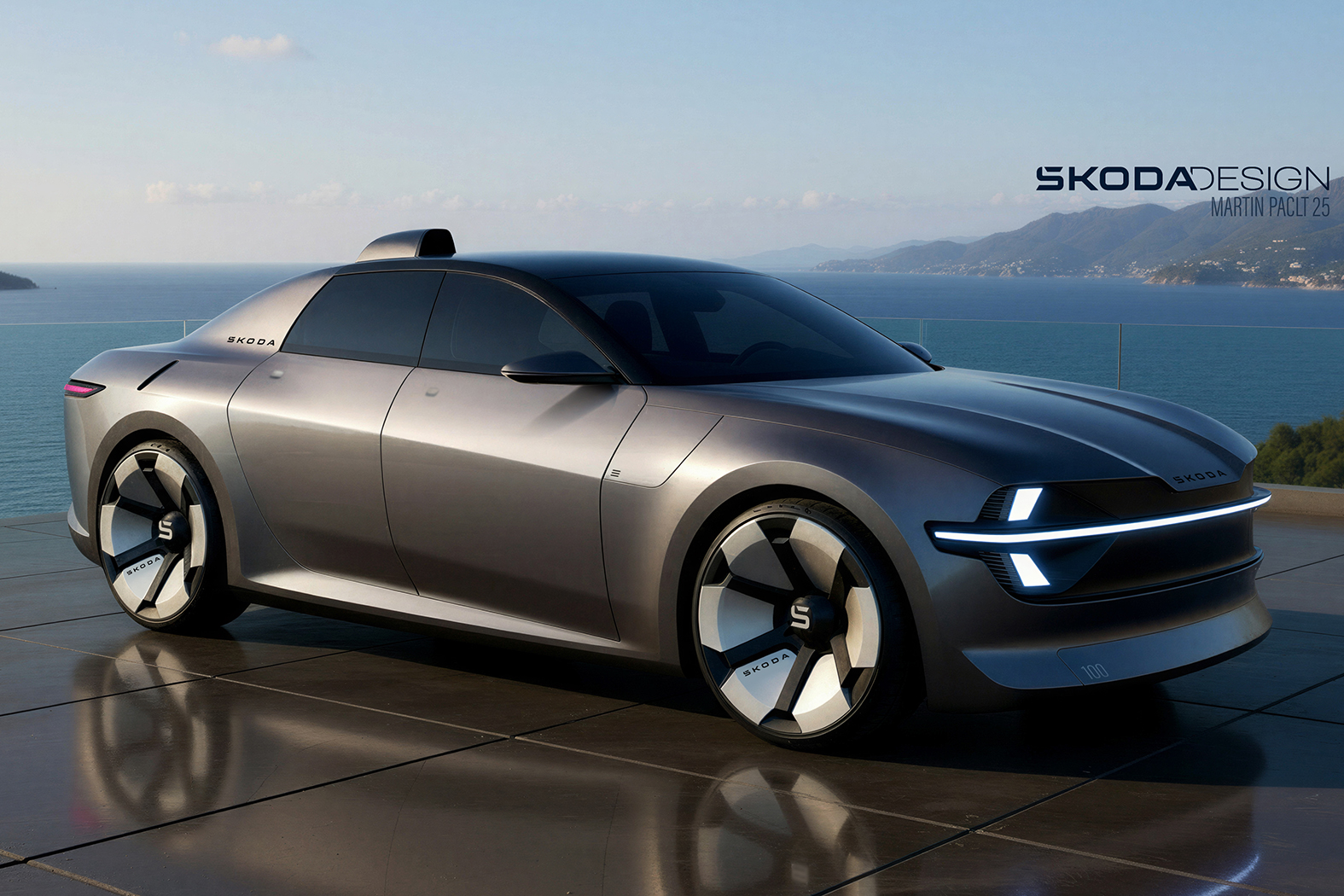
SKODA has taken its legendary 100 model into the electric age with a reinterpretation of the brand's first ever million selling model.
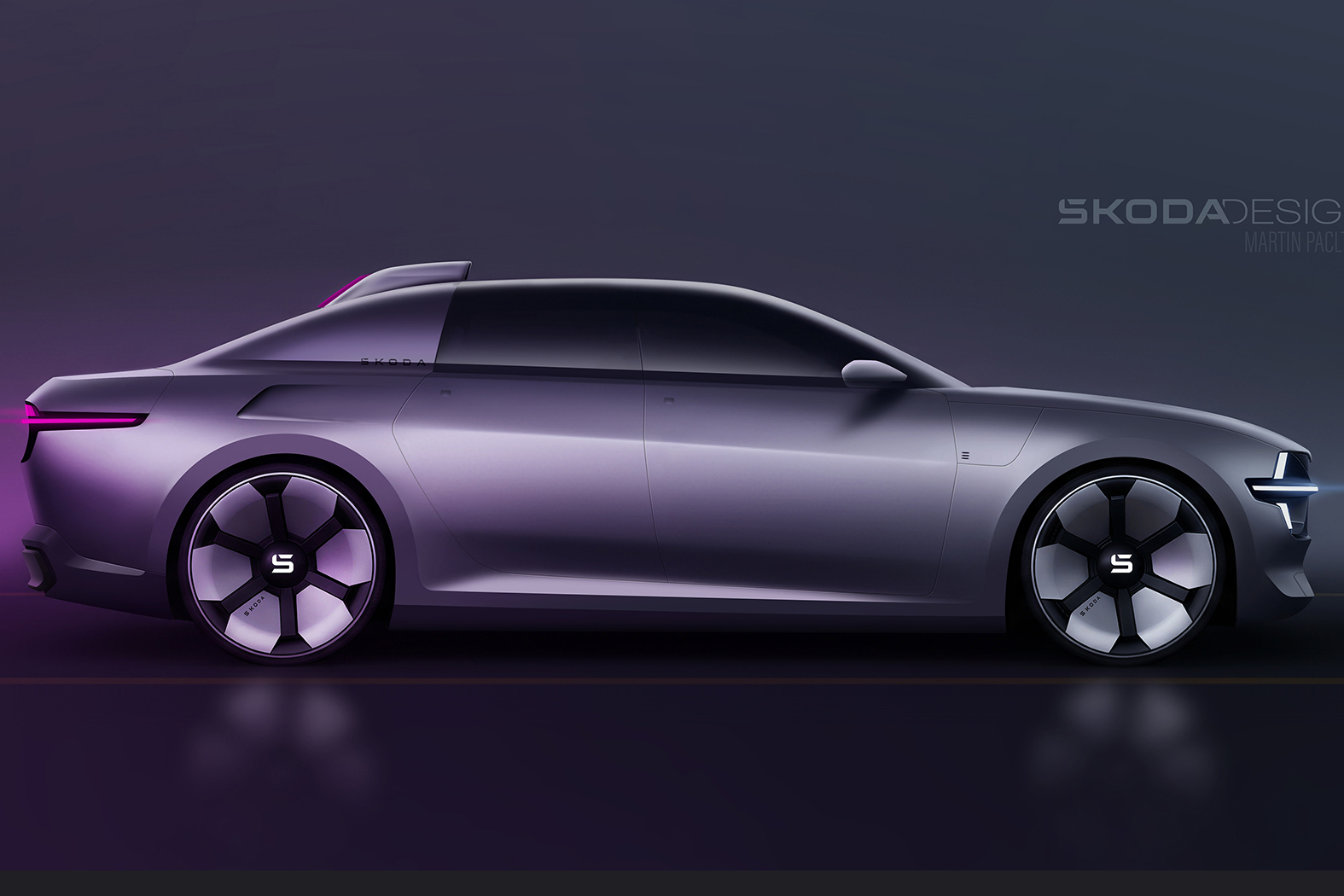
The design study was developed by Skoda exterior designer Martin Paclt, and transforms the beloved 1960s original 100 model with contemporary proportions, clean surfacing and the brand's Modern Solid design principles - offering a glimpse of how an icon could look in the 21century.
Admired at the time for its straightforward engineering, reliability and personality, the 100 remains a defining model in Skoda's story and a long-standing favourite among classic-car fans.
From the beginning of the project, Paclt set out to avoid a retro-themed replica. Instead, the focus was on retaining the core spirit of the original through its overall stance, silhouette and character.
The result is a contemporary saloon defined by uninterrupted surfaces and generous volumes that echo the simplicity of the classic model.
Modern details, including a four-element lighting signature and full-width light strips on both the front and rear bring the car firmly into the present day.
These elements pay subtle tribute to the chrome accents and distinctive rear vent of the historic Skoda 100.
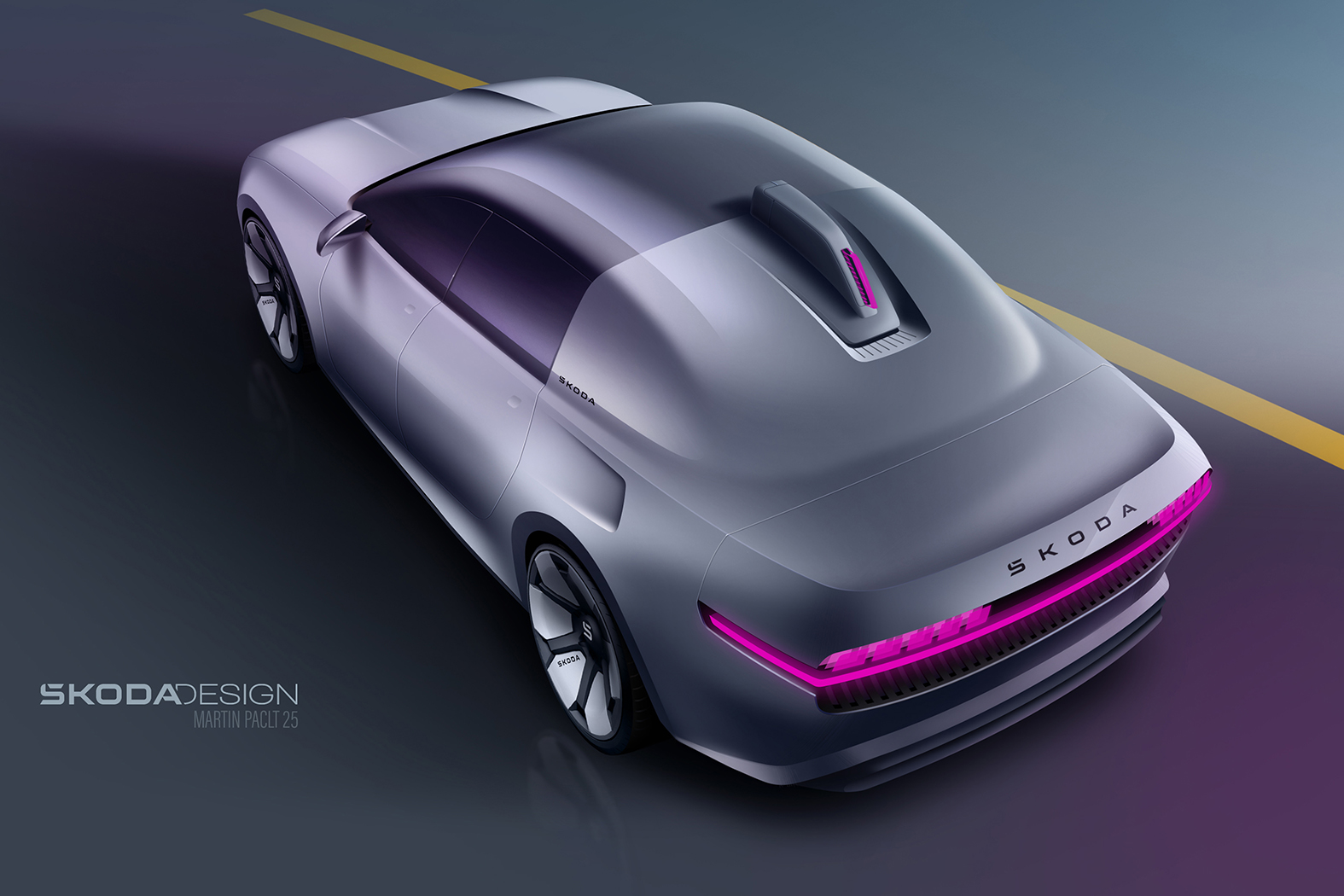
One of the concept's most striking innovations is found at the rear, where Paclt has reinterpreted the original car's nearly interchangeable front and rear windows.
"The similarity between the two was a fascinating starting point. I wanted to explore that connection in a new way," he said. This led to a bold decision: eliminate the rear window entirely.
The absence of glazing allows the rear bodywork to adopt the sculptural qualities of the front, creating a distinctive look.
"It's a break from convention and will definitely spark emotion. That's exactly what design should do."
The oval graphic framing both ends of the car further references the classic Skoda 100.
This unconventional rear treatment also opened up new technical possibilities.
Paclt aimed for a concept grounded in reality, and the windowless rear enabled the integration of a fresh-air intake system positioned above the roofline, supported by discreet vents on the rear wings.
"Even an electric vehicle requires cooling. Placing the intake high works efficiently and visually emphasises the technical components behind the cabin. It also nods to the original Škoda 100's rear-engine architecture," he said.
The technical basis for the concept was the package of the current Superb.
"I realised the new Skoda 100 should be slightly larger and needed to sit with real confidence on its wheels," he added.
Although Skoda has no production plans for the 100 concept, lessons learned during its creation will inform all future projects.
The Skoda 100/110 series became the brand's first model to surpass one million sales, with 1,079,708 units produced between 1969 and 1977.
Building on the foundations of the 1000 MB, it continued the rear-engine, rear-wheel-drive layout while introducing a more refined and contemporary design.
The four-door saloon was praised for its balanced proportions, practicality and premium touches for its era, including fold-flat seats offered on L-grade models.
Power came from a 1.0-litre four-cylinder engine developing 48ps in the Skoda 100, while the 1.1-litre Skoda 110 increased output to 53ps, with LS variants delivering up to 63ps.