ROAD safety specialist GEM Motoring Assist has welcomed the government's new consultation on driver eyesight regulations, which it says could pave the way for reforms to ensure safer roads and healthier drivers.
For many older drivers, keeping up with regular eyesight checks can make the difference between staying safe and unknowingly putting themselves or others at risk.
James Luckhurst, GEM's head of road safety, said: "We are encouraged that the government appears to accept that the current eyesight regulations are inadequate. Reform in this area would make a significant contribution to meeting the new national targets for reducing deaths and serious injuries on our roads."
To make things clearer, GEM offers simple answers to some of the most common questions about driver vision:
The NHS recommends every two years, or sooner if you notice changes in vision.
Conditions such as cataracts, glaucoma, and macular degeneration become more common. These can limit clarity, depth perception, and night vision.
Gradual deterioration often happens so slowly that the brain compensates until the change is significant.
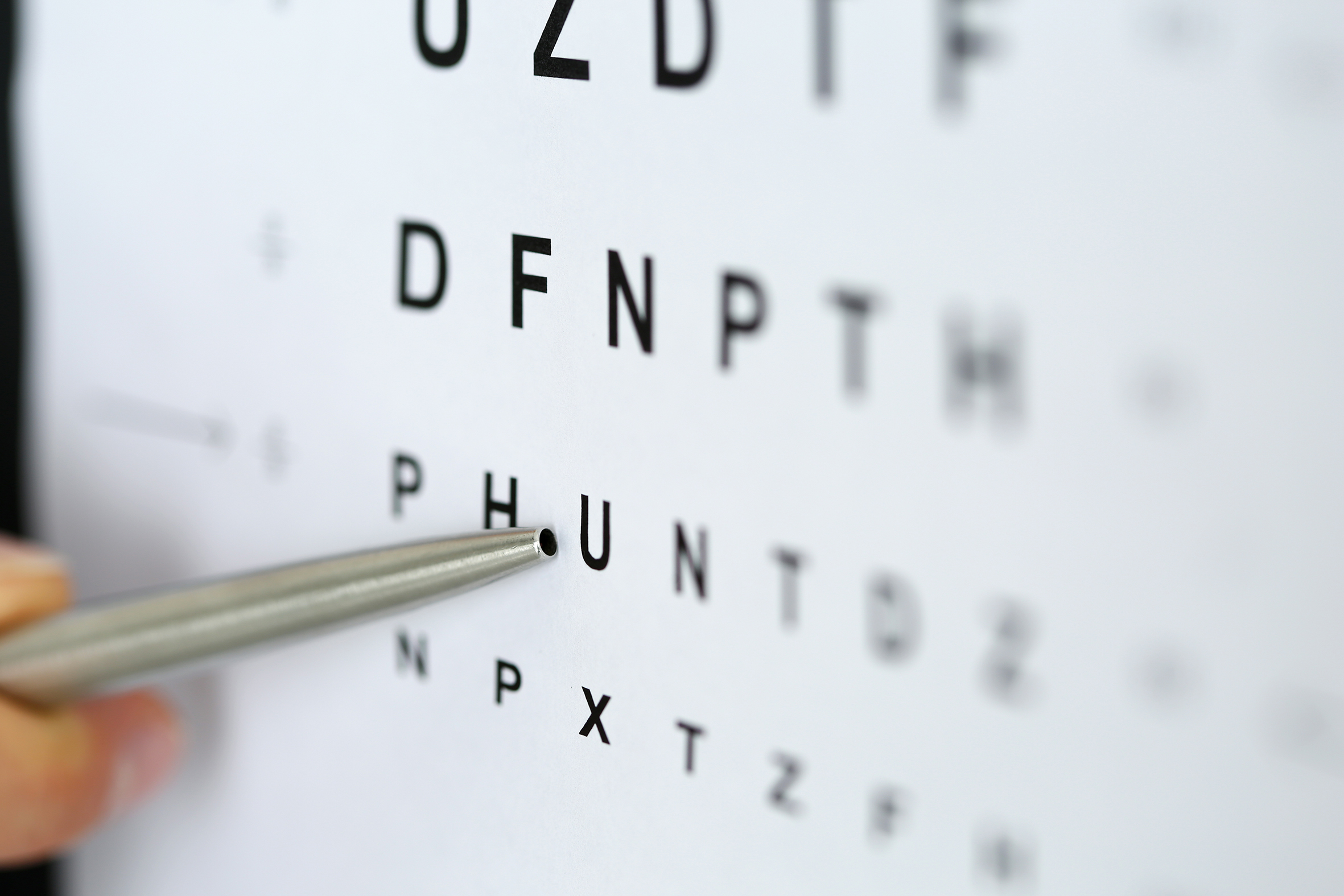
For driving, you must be able to read a standard number plate at 20 metres, roughly equivalent to 6/12 vision on the Snellen scale.
The Snellen test measures visual acuity - in other words your ability to read letters of decreasing size. 6/6 and 6/12 are Snellen fractions that describe how your distance vision compares with "average" normal sight. The first number (6) is the test distance in metres. The second number is the distance at which someone with normal vision could read the same line on the chart. So 6/6 means you can see at 6 metres what someone with normal vision sees at six metres. 6/12 means you can see at six metres what someone with normal vision sees at 12 metres.
LogMAR uses a standardised chart with equal letter spacing and five letters per line, giving a numeric score (0.0 is "normal", higher numbers are worse). LogMAR is more accurate for research and monitoring small changes, but for a routine voluntary eye test as an older driver, either is fine as long as the optometrist confirms you meet the driving standard.
You must inform the DVLA if you have any eye condition that affects both eyes - or one eye if you only see through one - that may impact your ability to drive safely.