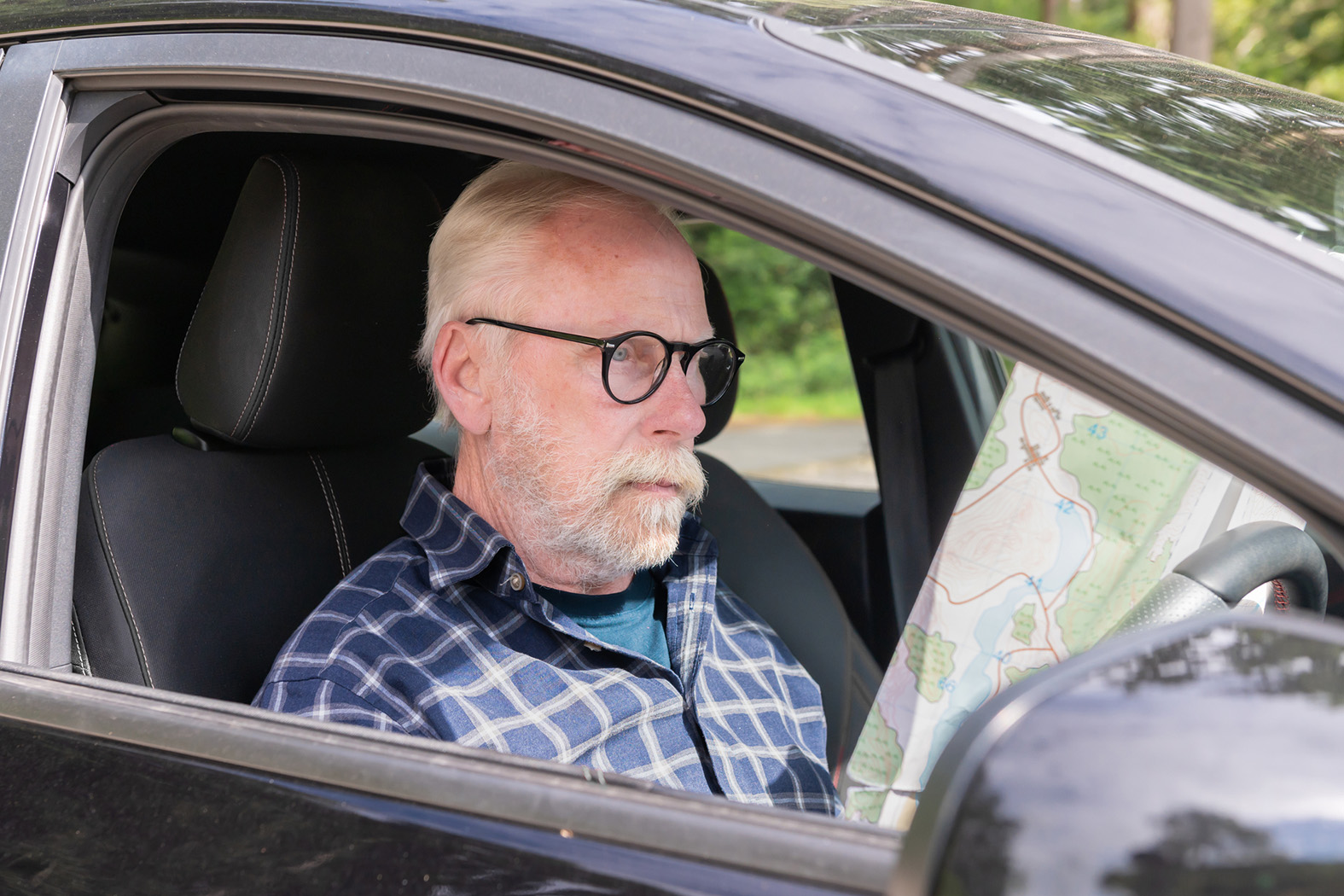
IN an era dominated by smartphone navigation, built-in sat nav screens and constant digital guidance, research from Warrantywise has revealed that Britain might not be quite as digitally dependent as many assume, with millions of motorists still preferring a physical map to switching on a screen.
Warrantywise, a UK provider of extended used car warranties with over 25 years of experience, has found that nearly a fifth of UK drivers (16 per cent) still rely on a paper map as their primary navigation tool.
While the data shows the expected digital dominance at the top, with over half of drivers (54 per cent) relying primarily on Google or Apple Maps, the surprise is not that digital tools lead the way, but that paper maps remain so widely trusted.
As navigation becomes increasingly screen-based, the research suggests many drivers still prefer to keep a folded paper map on the passenger seat - just in case the screens go blank.
The poll of 2,000 UK drivers, conducted by OnePoll, also reveals the full hierarchy of navigation preferences. While most drivers favour smartphone apps - 54 per cent for Google or Apple Maps and 21 per cent using other smartphone software such as Waze - a further 36 per cent rely on their car's in-built system.
Alongside the 16 per cent who use paper maps, 15 per cent still use traditional standalone devices such as a TomTom, while six per cent say they do not use any navigation tools at all. One per cent rely on other navigation tools altogether.
This preference for traditional navigation is perhaps easier to understand when considering the complexity of many UK roads. With historic towns, rural routes and varied signage, a paper map never loses signal, never runs out of battery and continues to work regardless of what is happening on the dashboard.
Among those who favour physical maps, nearly a quarter (24 per cent) are aged 65 and over, suggesting that for many older drivers, paper navigation remains the most trusted way to get from A to B.
However, this is not simply a generational habit. The second most common age group for using paper maps is 18-24-year-olds at 18 per cent, showing that its appeal spans both ends of the driving age spectrum.
Antony Diggins, managing director at Warrantywise, said: "Modern vehicles are more dependent than ever on digital screens and multimedia systems, and drivers now rely on these for navigation as well as communication and vehicle information. But technology does still go wrong, and when these systems develop faults, drivers can suddenly lose access to all of it at once.
"These findings show that many drivers still value having a dependable backup when it comes to something as important as finding their way, in much the same way they value having the right extended warranty in place if something unexpected happens with their vehicle."
As vehicles become more technologically advanced, multimedia, infotainment and navigation systems are now central to the driving experience.
When faults occur in these systems, the impact is often greater than drivers expect, and repairs can be both complex and costly.
To help address this, Warrantywise's 04/40 plan includes Multimedia as standard, with the option to add this to other plans, helping with the cost of unexpected faults affecting in-car navigation and infotainment systems.
Warrantywise offers a range of discretionary extended warranty plans based on vehicle age and mileage, alongside roadside assistance, designed to support drivers when unexpected vehicle repairs arise.