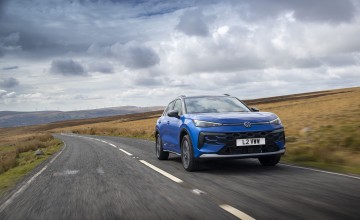
VOLKSWAGEN drove right into a sweet-spot when it introduced the T-Roc SUV back in 2017.
Big enough to carry the family and its clutter, yet sufficiently small to slip into a parking place on the high street and just fine for whizzing around town. And bearing a badge that conveyed credibility and trust. Afterall, aren't brethren Polo and Golf icons of Middle Britain!
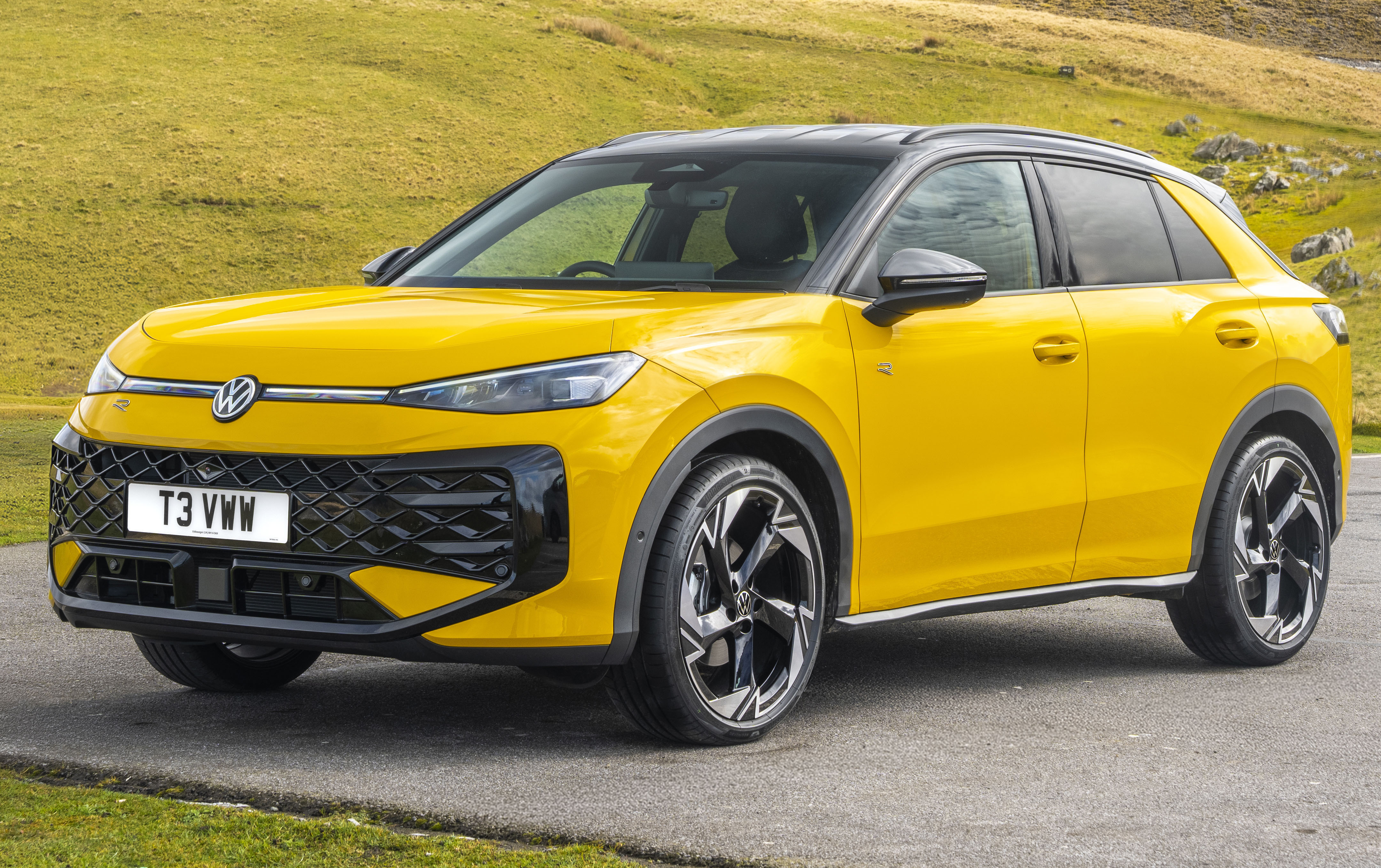
But time moves on, and now there's second generation T-Roc. As is the current trend, all versions have hybrid powertrains which helps maximise economy and power.
We drove the ubiquitous 1.5 eTSI which produces a creditable 148bhp. Coupled to an automatic seven-speed twin clutch gearbox, complete with steering wheel paddles, it has plenty of punch for swift overtaking and roundabout getaways.
The ICE unit is matched to 48-volt lithium-ion battery and a belt-driven alternator which also acts as a small electric motor that boosts torque when pulling away.
Slightly larger than the original model, there's plenty of room up front and headroom is also generous throughout - noticeably better than the sister Golf, with which it shares most other dimensions.
Special mention is worth making of the large boot area - an important feature for most SUV buyers. It has a capacity of 475litres which beats most rivals, except the larger Nissan Qashqai.
The interior bears many of the regular VW hallmarks. It's quite sombre with dark shades but well finished and gives the impression of being solid and hard-wearing. Front seats are manually adjustable but quite firm.
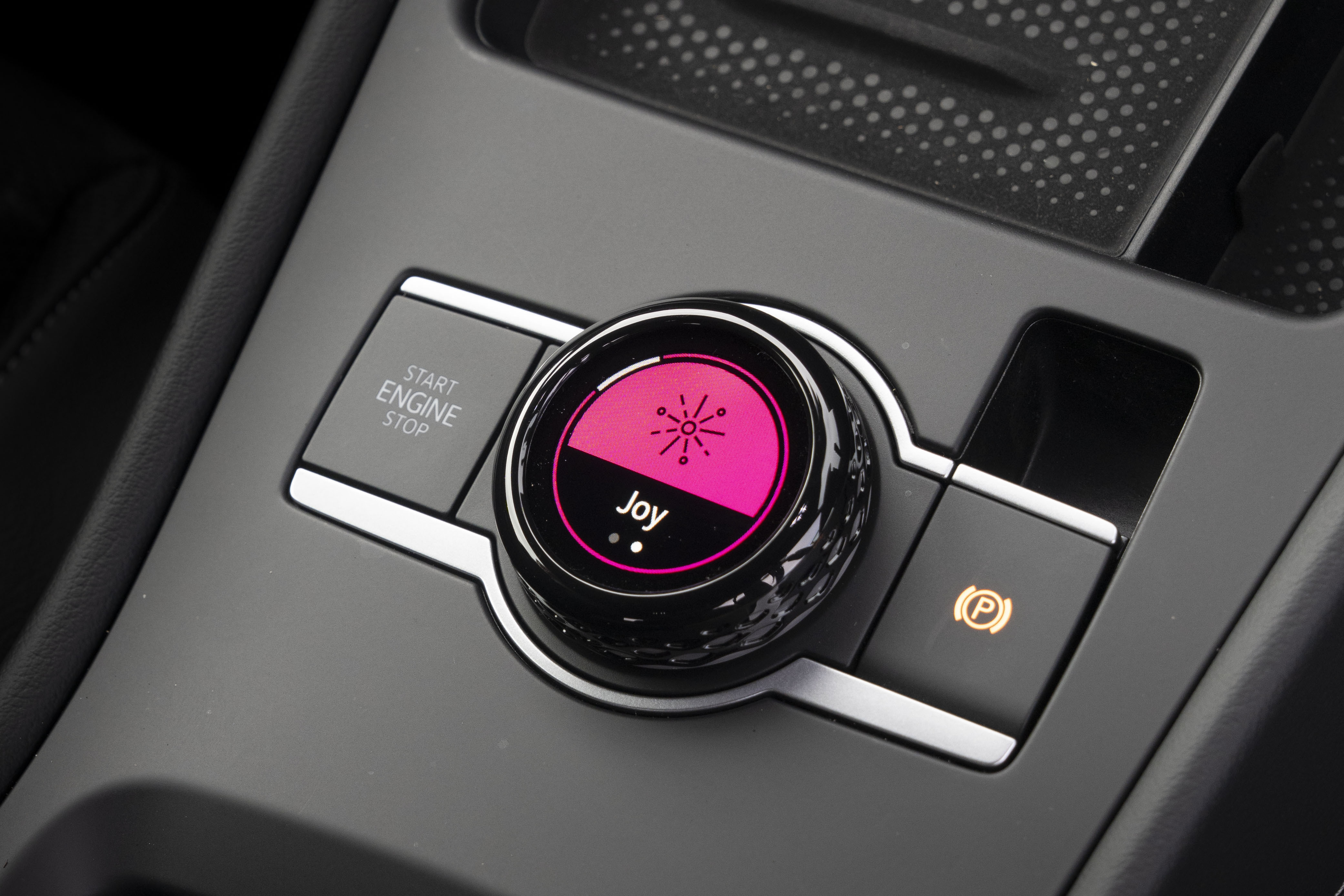
A 12.9-inch infotainment screen occupies the central position on the facia and is easy to negotiate, while the gear selector is an arm on the right of the steering wheel. On the left are the wiper controls - regular VW drivers please note the change!
Unlike some small SUVs, driver and passengers sit fairly low in the cabin, giving he T-Roc more of a car-like feel.
Also on the firm side is the ride, noticeably so in the R-Line version we borrowed. Road scars and poor surfaces send their messages to the cabin. The review car came with an optional style pack which included 19-inch wheels - quite possibly the standard 18-inch alloys may have offered a more composed ride.
On the plus side, cornering is largely roll-free and nicely balanced for the occasions when you press on.
The 1.5-litre turbo four-pot engine is willing and remains smooth enough unless the revs are really piled on when it starts to sound somewhat coarse. Overall, cruising at motorway speeds is relaxed and sufficiently muted.
Acceleration is nimble enough with 62mph coming up in below nine seconds. But somewhat short of hot-hatch level. More impressive is the meagre thirst - we managed an average of 49mpg over some challenging routes. The official combined figure of 50.2mpg illustrates how careful use if the right foot can stretch the miles.
The R-Line comes fairly well equipped with such standard features as illuminated badges and light bars, LED matrix headlights, driver attention monitor, electric folding and heated door mirrors, lane assist, rear view camera and 7J ‘diamond turned' alloy wheels.