AT the start of the 1970s car design in Europe was really getting into gear and new German designs were causing wrinkled brows at dyed-in-the-wool British manufacturers.
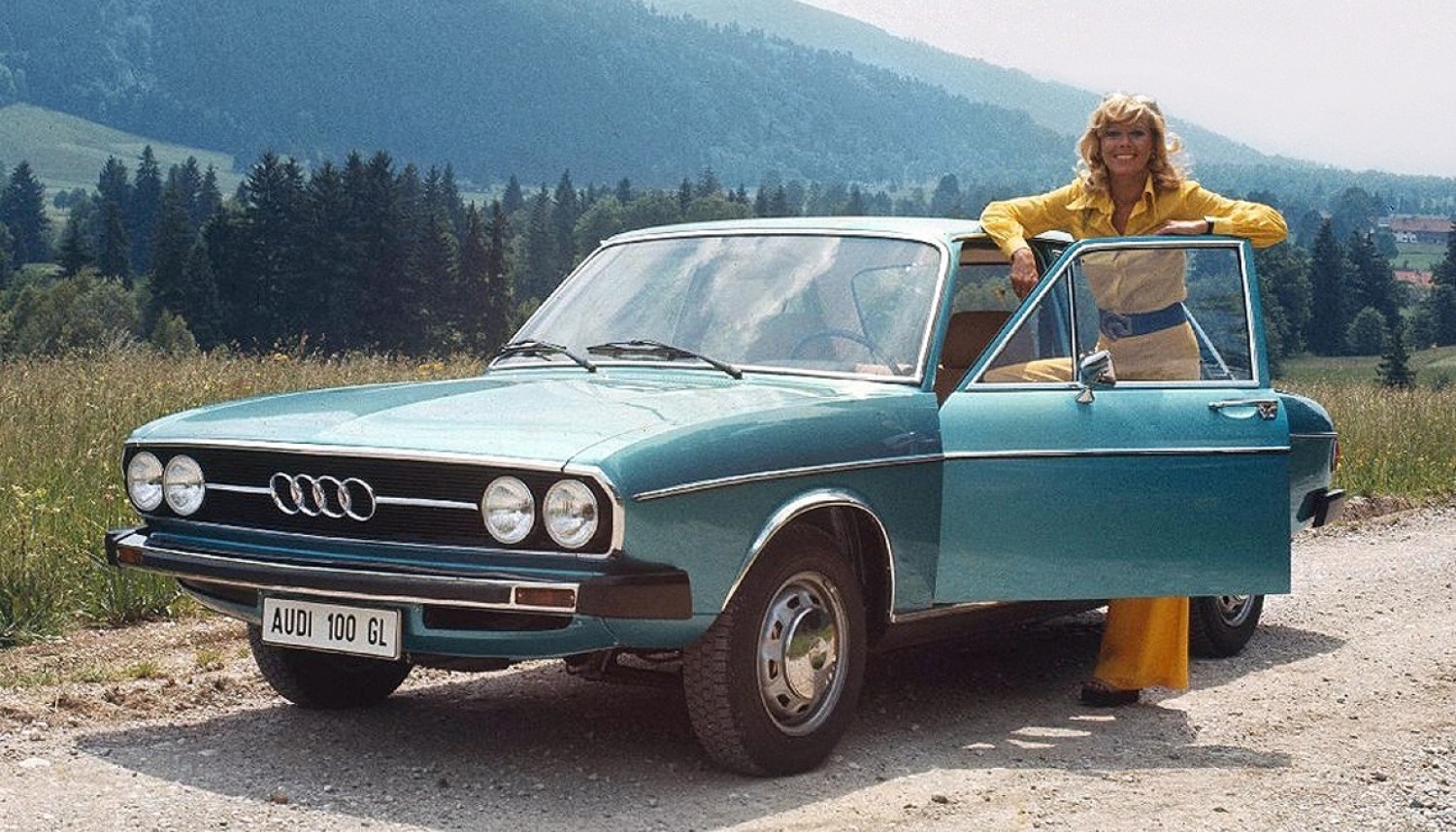
One new kid on the block was the Audi 100 which boasted performance and exceptional reliability.
The car was a natural progression of the neat little 90 of the mid 1960s but the origin of the 100 is almost legendary in Germany.
It all came about - or nearly didn't - when Volkswagen bought Auto Union from Mercedes Benz in 1965. Experiencing a need for more production capacity for its Beetle model which was selling like proverbial hot cakes, VW eyed-up the new Auto Union plant at Ingolstadt for Beetle assembly.
Volkswagen boss Heinrich Nordhoff decided that no further new Auto Union or Audi models should be developed.
But he had not bargained with the ability and resourcefulness of Audi engineer Ludwig Kraus who did not believe that the Beetle was the be-all-and-end-all of the company's activities.
In direct contravention of instructions from VW management Kraus set to work developing the 100 in secret and the first Nordhoff knew of the project was when he was presented with a production-ready prototype.
A somewhat shocked Nordhoff immediately saw the potential of the design and the Audi 100 reached the production line becoming the pioneer of a series of front-engined water-cooled Audi designs from the Volkswagen group which enabled the group to grow with the times once the appetite for rear-engined air-cooled family cars went off the boil.
The 100 - its name denoting its power output of 100PS - was first shown to the press in November 1968 and it got some rave reviews as it really was cutting-edge technology in those days.
It became the daddy of them all - a constant line of model that are still with us today in the A4, A5 and A6 series of cars which have developed to become front-runners in the executive car market.
To my mind, the 100 was one of the leading designs of its time but it was a bit cheeky in its Coupé S variant, a stylish fastback coupe which bore a remarkable likeness to the Aston Martin DBS released a year earlier.
This was especially marked at the rear end which included details such as the louvres behind the rear side windows and a similar styling of the rear light clusters.
The success of the 100 took the company by surprise. Volkswagen's initial plan to use the Ingolstadt factory to ease the pressure at the Wolfsburg Beetle plant was put into reverse with part of the Wolfsburg factory being utilised to build the 100.
By March 1971 the 500,000th Audi was produced making the 100 the most commercially successful model at the time
In Britain the Audi was an eye-opener to the UK driver who had previously had cars like Austin Rover and Triumph to choose from. Most of the UK designs were not exactly winners in the reliability stakes and many were full of water traps for rust to form.
The Audi-design with its better panel-fit and snazzy styling was a revelation. It was something of a hot number to drive - you had to remember not to overpower it into gravelly bends.
But it had a top speed of 107mph, could accelerate from 0-60mph in 11.8 seconds, but could not better 24mpg. At launch it cost £1,475.